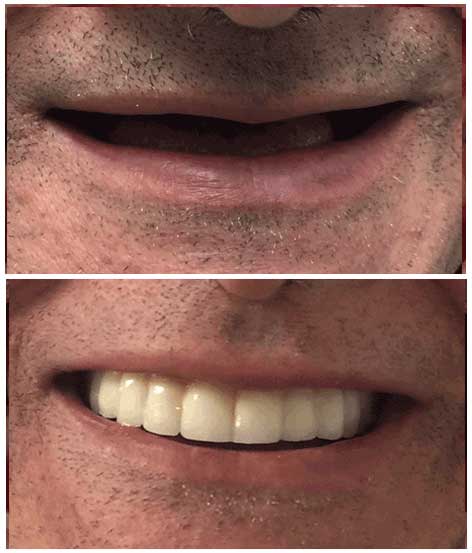
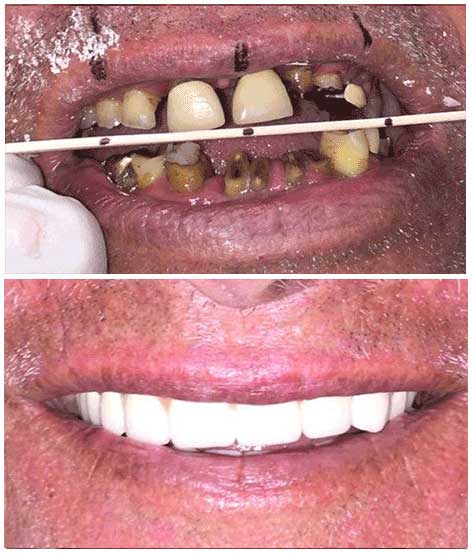
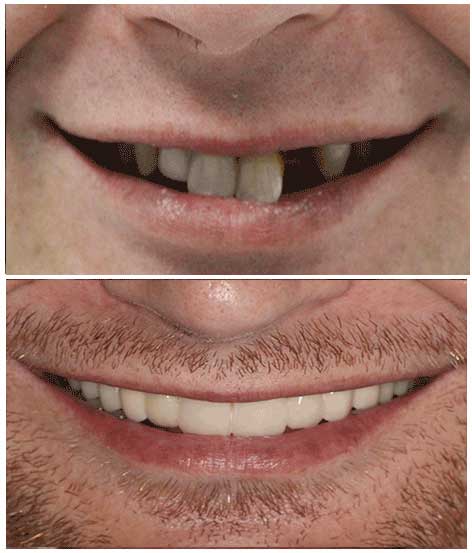
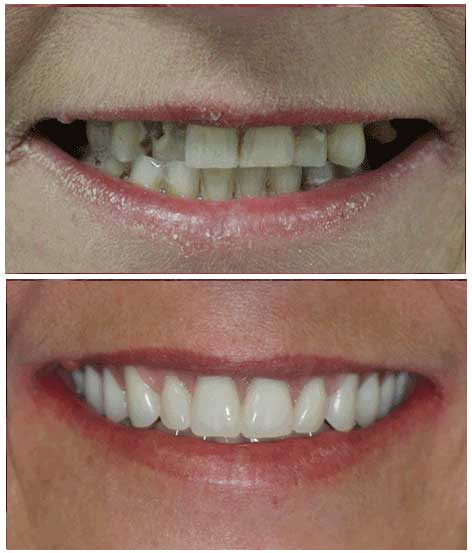
What Are Dental Veneers?
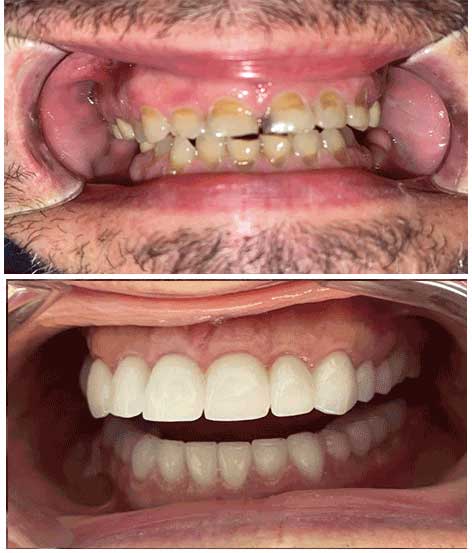
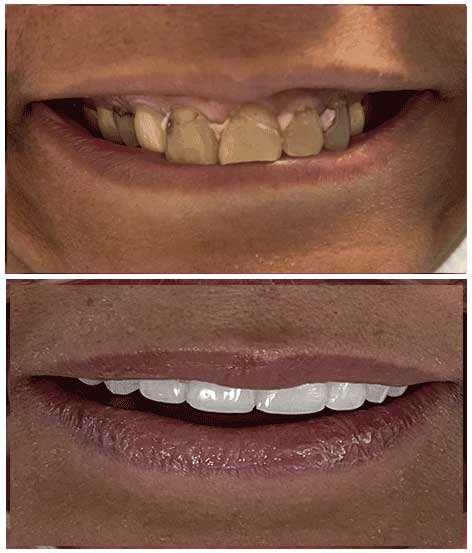
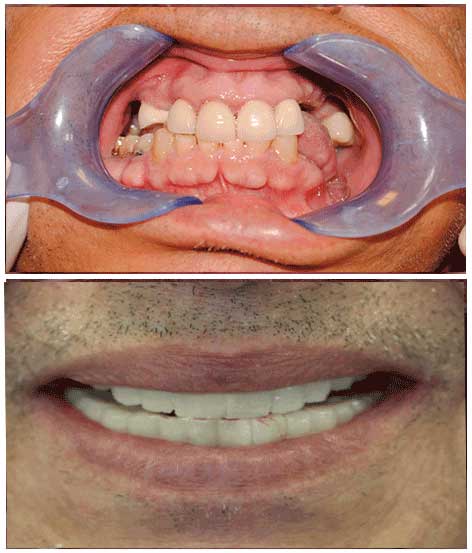
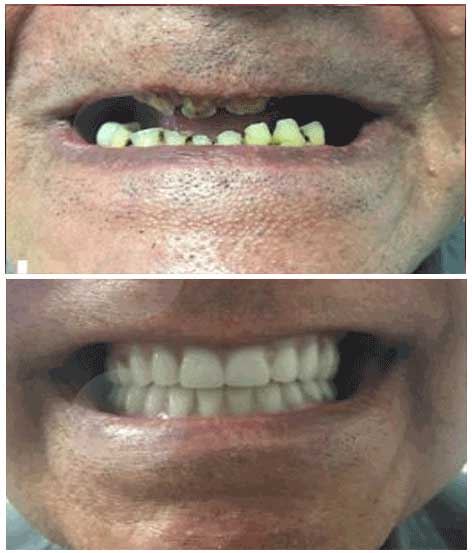
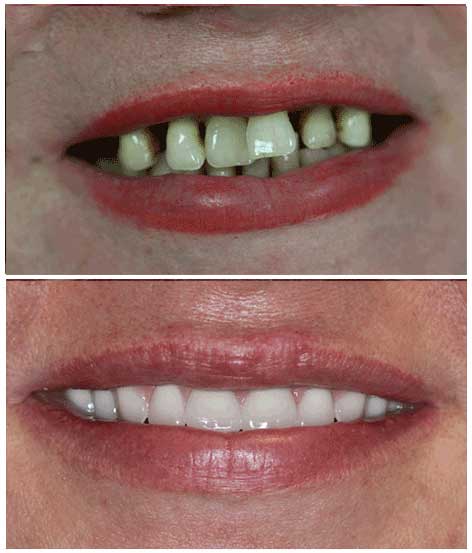
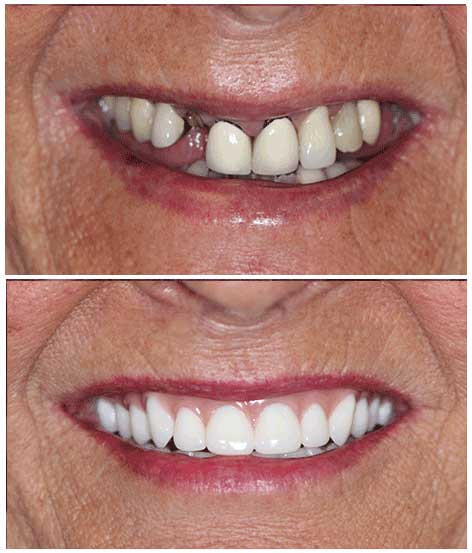
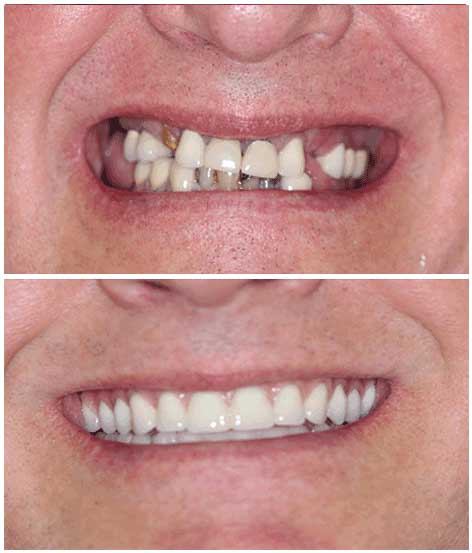
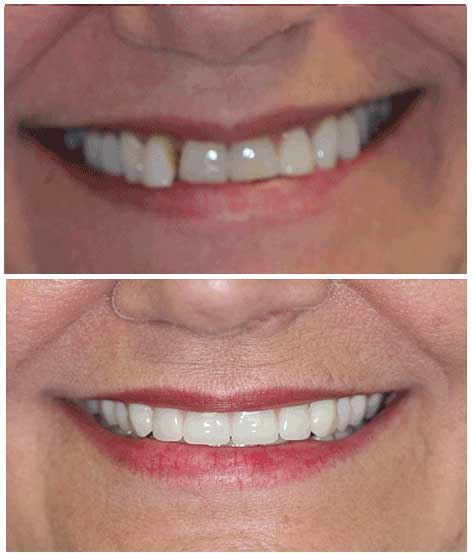
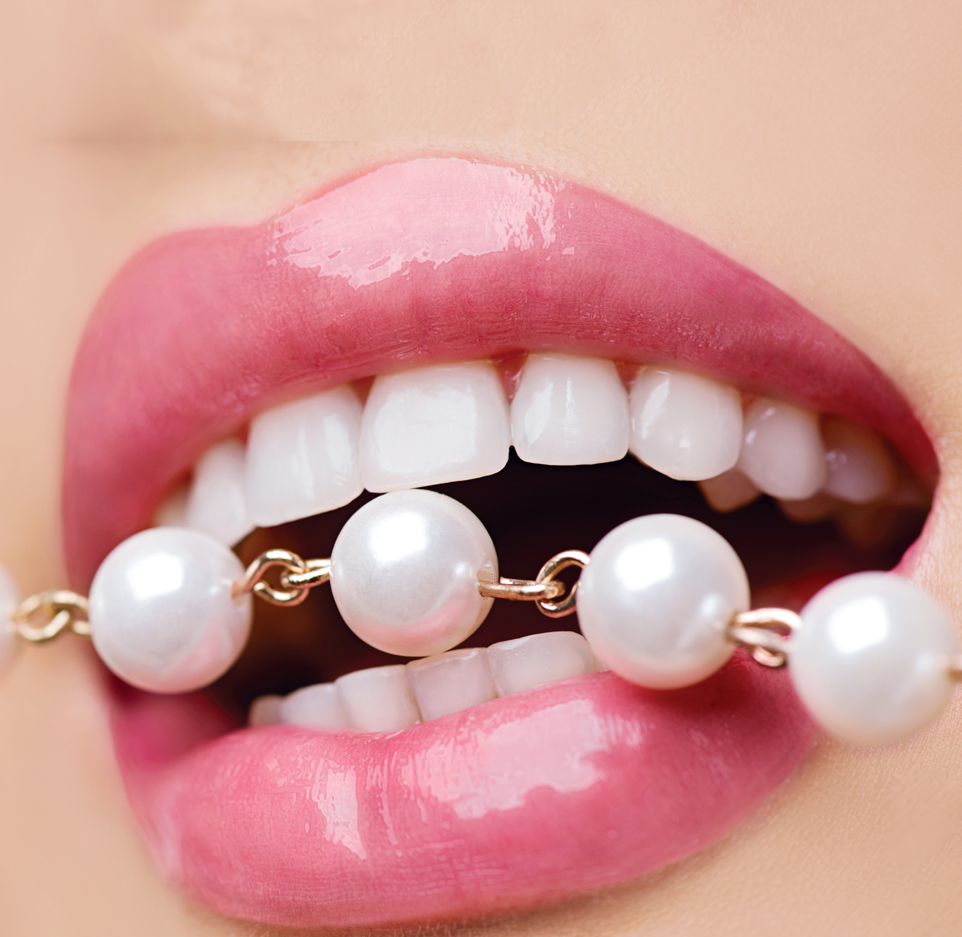
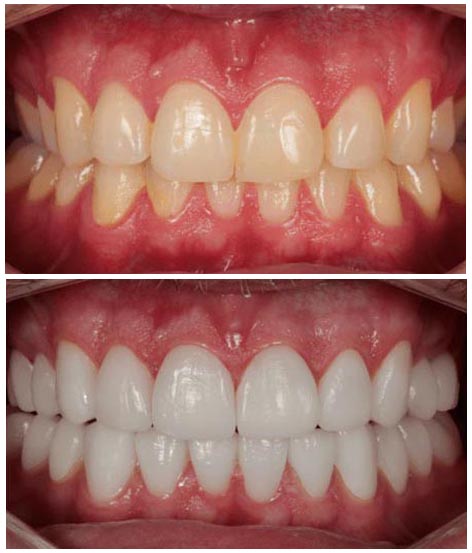
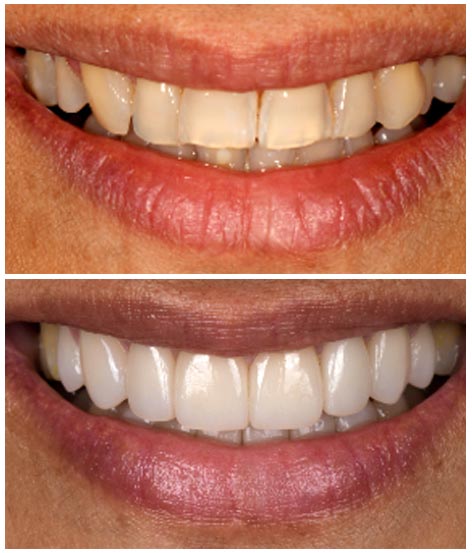
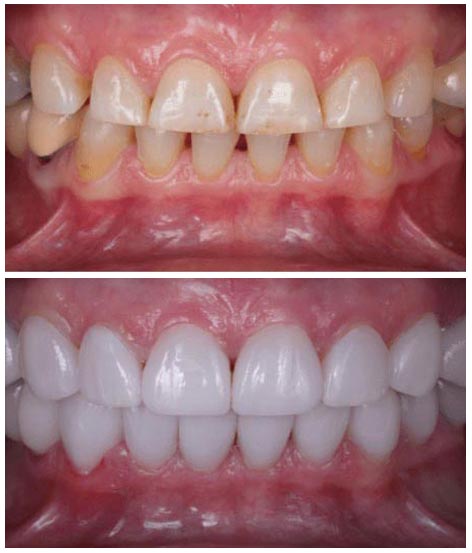
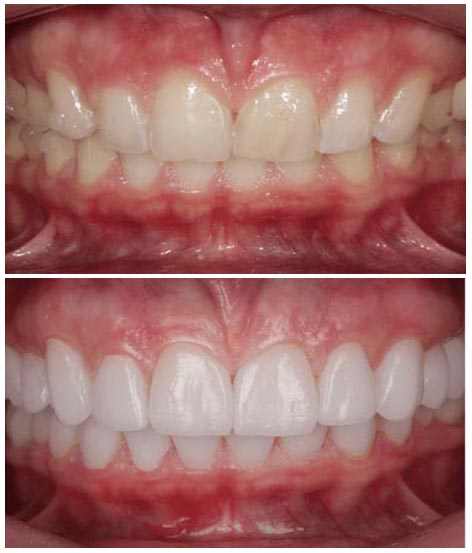
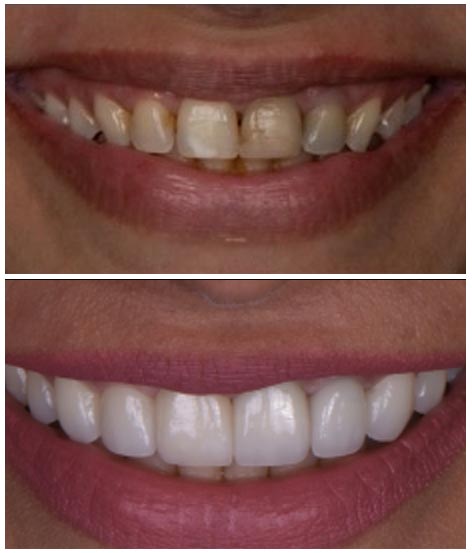
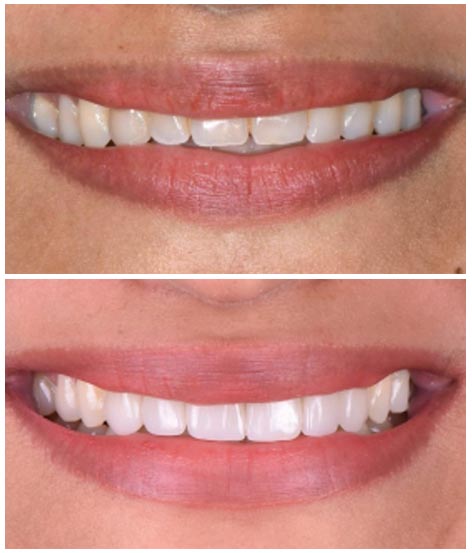
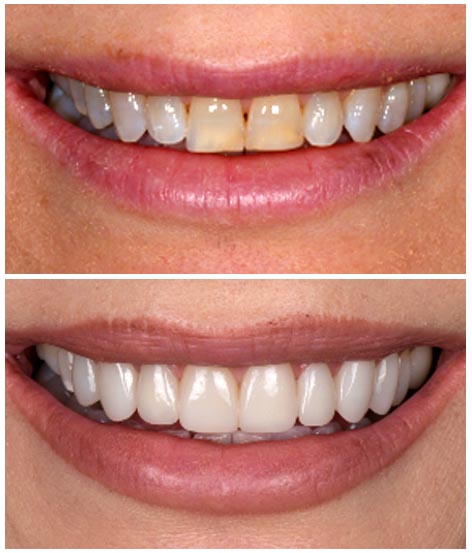
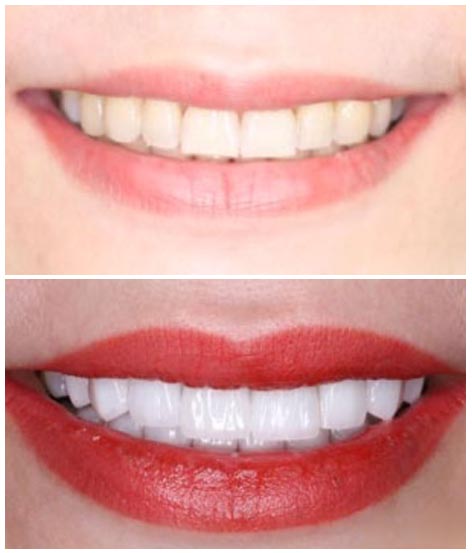
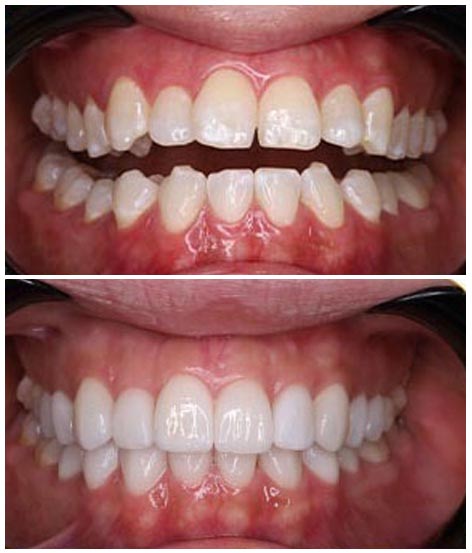
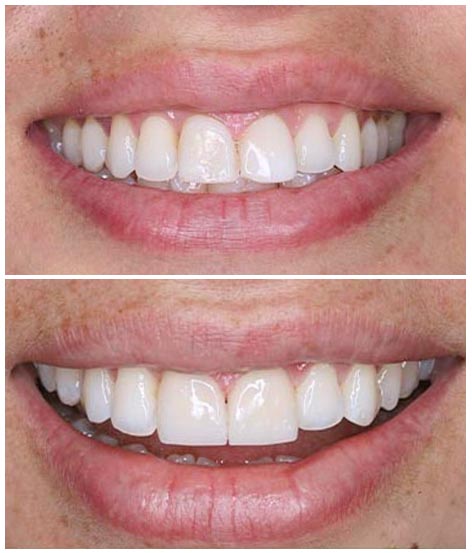
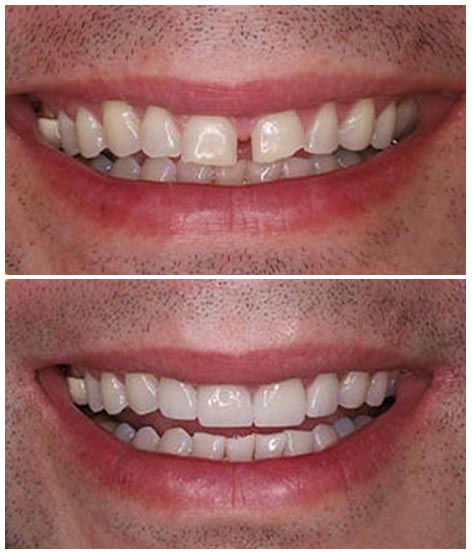
Dental veneers are thin, custom-made shells that cover the front surface of teeth to improve their appearance. They’re often crafted from porcelain or composite resin to address cosmetic concerns like discoloration, chips, gaps, or uneven teeth.
It’s important to note that getting veneers is a permanent dental procedure. A thin layer of enamel is removed to fit the veneers, so consider the pros and cons carefully before proceeding. Always consult your dentist to determine if veneers align with your oral health goals.
- Signs You May Need Veneers
- Stained or discolored teeth
- Chipped or broken teeth
- Uneven or misaligned teeth
- Gaps between teeth
Types of Veneers and Their Costs
Dental veneers come in several types, each suited to different needs and budgets.
Porcelain Veneers
$1,400 – $2,000 / tooth
BenefitsDurable, long-lasting, and closely mimic natural tooth appearance.
ConsiderationsRequire more preparation of your natural teeth to ensure a proper fit.
Composite Resin Veneers
$250 – $1,500 / tooth
BenefitsAffordable and quicker to apply due to less preparation work.
ConsiderationsLess durable than porcelain and more prone to staining over time.
No-Prep Veneers
Generally less expensive than traditional porcelain veneers
BenefitsThinner, with minimal to no enamel removal — preserving more of your natural teeth.
ConsiderationsNot suitable for everyone's dental needs.
Veneers vs. Crowns
While veneers and crowns both improve the appearance of teeth, their uses differ.
Veneers cover the front surface of your teeth and are ideal for minor cosmetic improvements like chips, discoloration, or small gaps. Crowns encase the entire tooth, making them better for severe damage or decay requiring structural support. Veneers offer a conservative cosmetic option with minimal enamel removal, whereas crowns involve significant tooth reduction. Your dentist can help determine which option aligns better with your dental health needs.
Factors That Influence Veneer Costs
Several variables affect the final cost of getting veneers.
Number of Veneers Needed
Are you enhancing a single tooth or your entire smile? The more veneers you need, the higher the overall cost. Porcelain veneers are pricier but last longer, while composite resin veneers are a more affordable option.
Insurance Coverage
Veneers typically fall under cosmetic dentistry and aren’t covered by most dental insurance plans. However, some policies may partially cover veneers if they are deemed medically necessary, such as to restore tooth structure.
Always confirm with your insurance provider beforehand, and explore payment plans or financing options offered by your dental office.
Type of Material
Porcelain veneers are the premium choice for durability and aesthetics, while composite veneers offer a cost-effective alternative. Consider your long-term goals and budget when choosing a material.
Other Cost Variables
Location of the dental office: Prices may be higher in cities or regions with elevated operational costs.
Experience of your dentist: Skilled professionals with a strong reputation may charge more, but their expertise ensures better results.
Type of veneers: No-prep veneers often cost less upfront but may not be suitable for everyone, while traditional porcelain veneers come with a higher price due to the preparation involved.
Maintenance and Longevity Costs
Veneers typically last 5 to 20 years based on the material and how well they are maintained. Regular dental check-ups and good oral hygiene are essential for prolonging their lifespan.
Avoid habits like teeth grinding or chewing hard objects, as these can shorten the life of your veneers. Keep in mind that repairs or replacements, especially for porcelain veneers, can cost as much as the initial procedure.
Alternative Options and Additional Costs
If veneers aren’t the right choice for you, there are other solutions for enhancing your smile.
Dental Bonding
Uses tooth-colored resin applied directly to the tooth and hardened with light. Cost-effective and ideal for minor chips, cracks, and gaps.
Dental Crowns
Suitable for teeth requiring extensive restoration due to damage or decay. Available in various materials, including porcelain and metal, providing durability and aesthetic appeal. Both options provide cost-friendly alternatives while addressing different cosmetic and dental health needs.
Final Thoughts
While dental veneers are an investment, they can significantly transform your smile and boost your confidence. With various types, materials, and price ranges available, there’s an option for almost every budget.
Still not sure which cosmetic option is right for you? Schedule a consultation with your dentist to explore your specific needs and financial options. A brighter smile may be closer than you think!